The History of Fushimi Inari Taisha
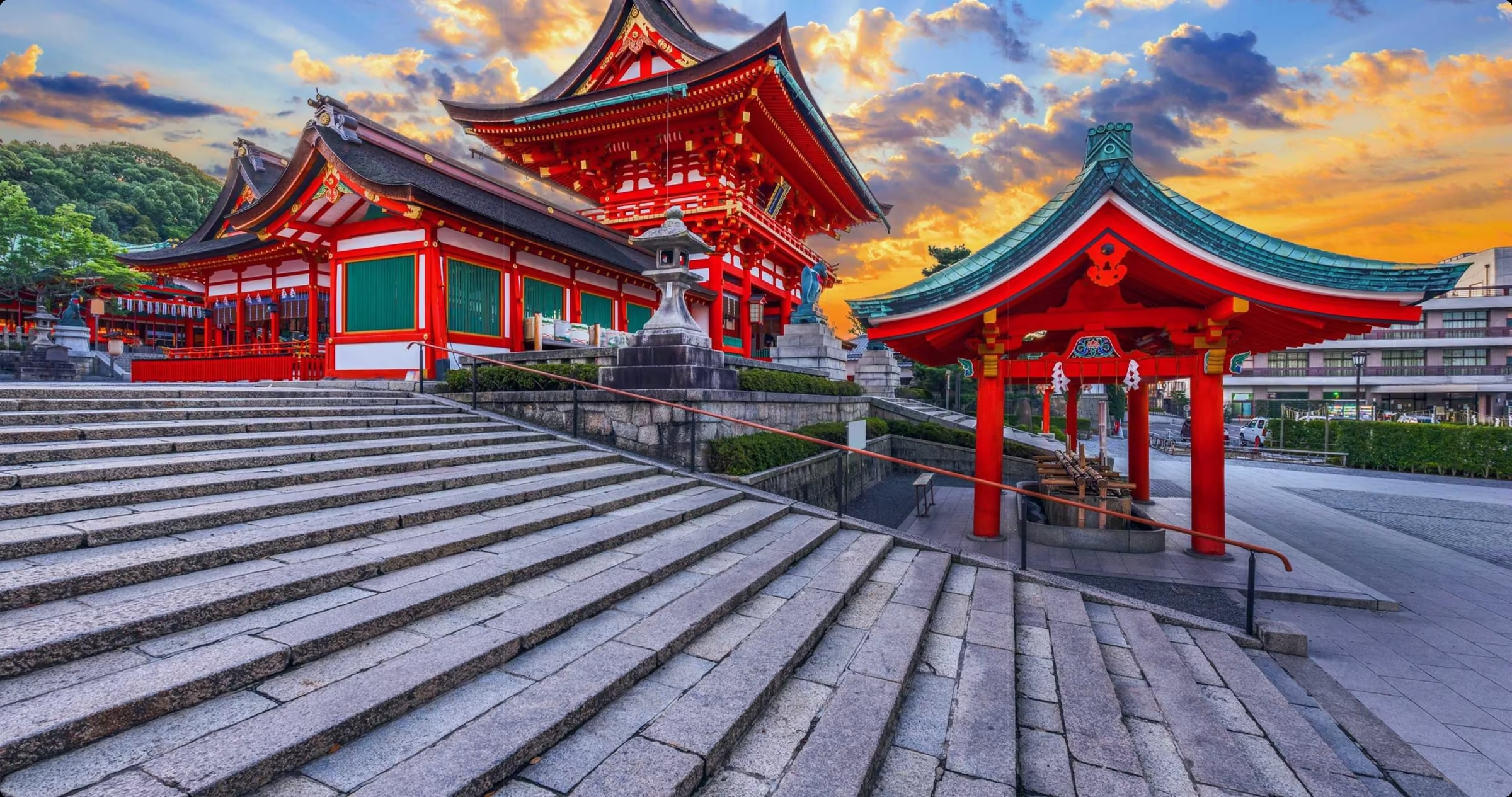
Fushimi Inari Taisha traditionally traces its foundation to 711 CE, giving the shrine more than 1,300 years of recorded history. Its beginnings are closely associated with the Hata clan, an influential family established in the region once known as Yamashiro Province. According to shrine tradition, Irogu no Hatanokimi received an imperial order from Empress Genmei to enshrine Inari Okami upon the three peaks of Mount Inari. Although this moment marks the shrine’s traditional founding, the beliefs and agricultural rites from which Inari worship developed may have existed in the region even earlier.
The best-known account of its origin survives in fragments of the Yamashiro no Kuni Fudoki, an ancient record of the province’s geography, customs and oral traditions. In the story, Irogu shoots an arrow at a rice cake, which transforms into a white bird and flies toward the mountain. When the bird lands upon one of its peaks, rice miraculously begins to grow. This event was interpreted as a sacred sign, linking the deity with grain, fertility and abundance. The name “Inari” itself would later be associated with the idea that “rice has grown,” reflecting the shrine’s earliest relationship with agriculture and the prosperity of the land.
During the centuries that followed, Inari gradually moved beyond the role of a local agricultural deity. The imperial court granted Inari divine rank in 827, the shrine was formally recorded among Japan’s important sanctuaries in the Engishiki in 927, and in 942 Inari received the highest court rank granted to a kami. As Japan’s economy and society changed, worshippers increasingly sought Inari’s protection not only for successful harvests, but also for households, crafts, industries and commercial prosperity.
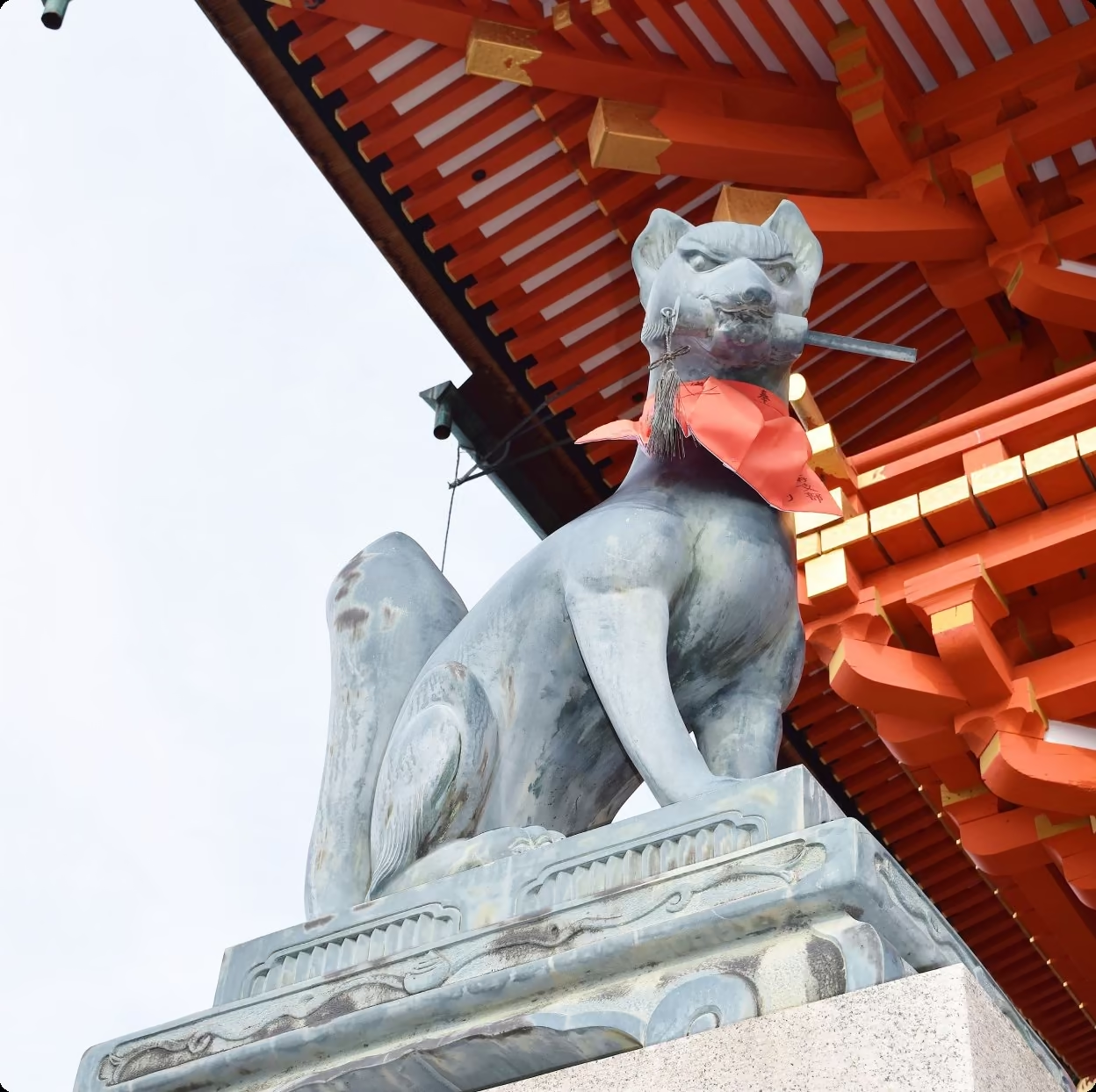
Many of the symbols now inseparable from Fushimi Inari developed through this long evolution. Foxes came to be regarded as the unseen messengers of Inari Okami—not as the deity itself—and are often shown carrying keys to the rice granary. During the Edo period, worshippers increasingly donated torii gates as expressions of gratitude or as prayers for their wishes to be fulfilled. Over generations, these offerings formed the seemingly endless vermilion pathways that now climb Mount Inari, transforming the shrine’s history into a landscape that visitors can still walk through today.
Shintō religion
Shintō is a series of religious beliefs and practices native to Japan. The word Shintō means “the way of kami,” with kami generally referring to various deities or sacred presences. Unlike religions such as Christianity, Shintō has no single founder, sacred scriptures or fixed dogmas, but it has a set of guiding beliefs that followers have observed throughout the ages.
Although Shintō has no strict weekly religious service, shrine doors remain open for people to visit at their convenience. Shrines are especially popular during rites and festivals held several times throughout the year; you can explore these celebrations here.